Tanzania Travel Guide

Plan your adventure with the Tanzania Travel Guide from Esikar Tour & Safaris. Explore top destinations, seasonal travel tips, safari planning, mountain trekking, Zanzibar holidays, and essential travel advice.

  • Best Time
  • Best Places
  • How Many Days
  • Where To Go

Everything You Need to Plan Your Tanzania Adventure

Quick Travel Guide to Tanzania

Planning a trip to Tanzania? Our Tanzania Travel Guide will help you prepare for an unforgettable journey through one of Africa’s most diverse travel destinations. From spectacular wildlife safaris and mountain trekking to tropical beaches and rich cultural experiences, Tanzania offers something for every kind of traveller.

At Esikar Tour & Safaris, we help visitors explore Tanzania with travel experiences shaped around their interests, available time, and budget. Whether you are dreaming of seeing elephants on the savannah, climbing Mount Kilimanjaro, discovering local traditions, or relaxing on Zanzibar’s beaches, this guide will help you start planning your trip.

Why Visit Tanzania?

Tanzania is home to extraordinary landscapes, remarkable wildlife, welcoming communities, and some of East Africa’s most celebrated destinations. You can experience the vast plains of the Serengeti, explore the wildlife-rich Ngorongoro Crater, walk through the forests of Mount Meru, or enjoy the tropical coastline of Zanzibar.

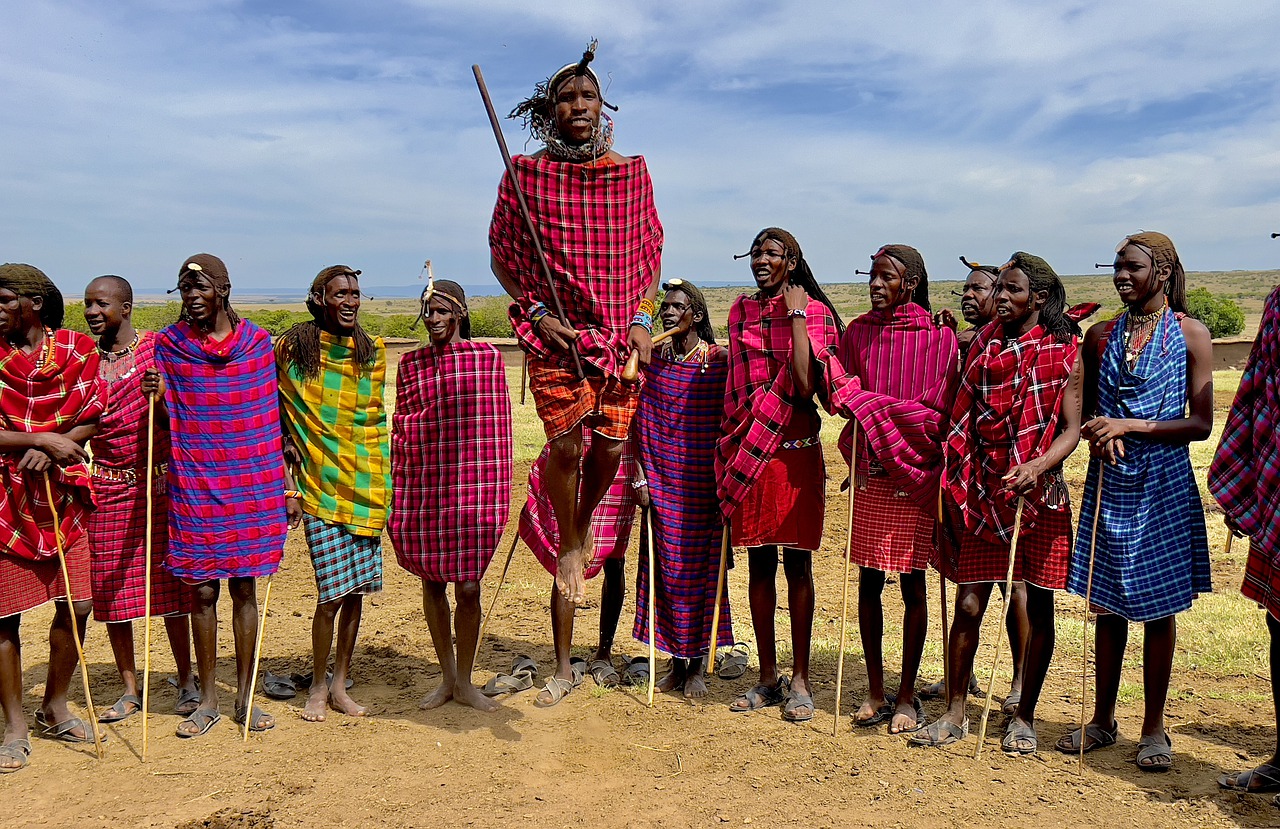
The country is also known for the Great Wildebeest Migration, Mount Kilimanjaro, traditional Maasai and Chagga cultural experiences, and the historic streets of Stone Town.

With a little planning, you can combine several experiences into one journey and discover different sides of Tanzania.


Best Time to Visit Tanzania

The best time to visit Tanzania depends on the experiences you want to enjoy. Wildlife viewing, mountain trekking, beach holidays, and cultural excursions each have their own seasonal considerations.

June to October: The Dry Season

These months are generally popular for wildlife safaris because vegetation is often thinner and animals may gather around available water sources. It is also a popular period for Kilimanjaro climbs and Zanzibar holidays, so booking ahead is advisable.

November to December: Short Rains

Short rains may occur during this period, bringing greener landscapes and changing wildlife conditions. Safaris and other outdoor activities remain possible, although weather can affect travel plans.

January to February: A Green-Season Escape

This period can offer warm weather, green scenery, and opportunities to witness the wildebeest calving season in parts of the Serengeti, depending on rainfall and animal movements.

March to May: Long Rains

Rainfall is generally heavier during these months. Landscapes can be especially green, but muddy roads and wet conditions may affect some activities and travel times.

Weather patterns vary from year to year, and wildlife movements are not fixed to exact dates. Choose your travel dates according to your priorities and confirm seasonal conditions when booking.

Best Places to Visit in Tanzania

Serengeti National Park

Famous for its expansive plains, diverse wildlife, and the Great Wildebeest Migration, the Serengeti is a highlight of many Tanzania safari itineraries. It offers opportunities to observe lions, elephants, giraffes, zebras, and other wildlife in their natural habitat.

Ngorongoro Crater

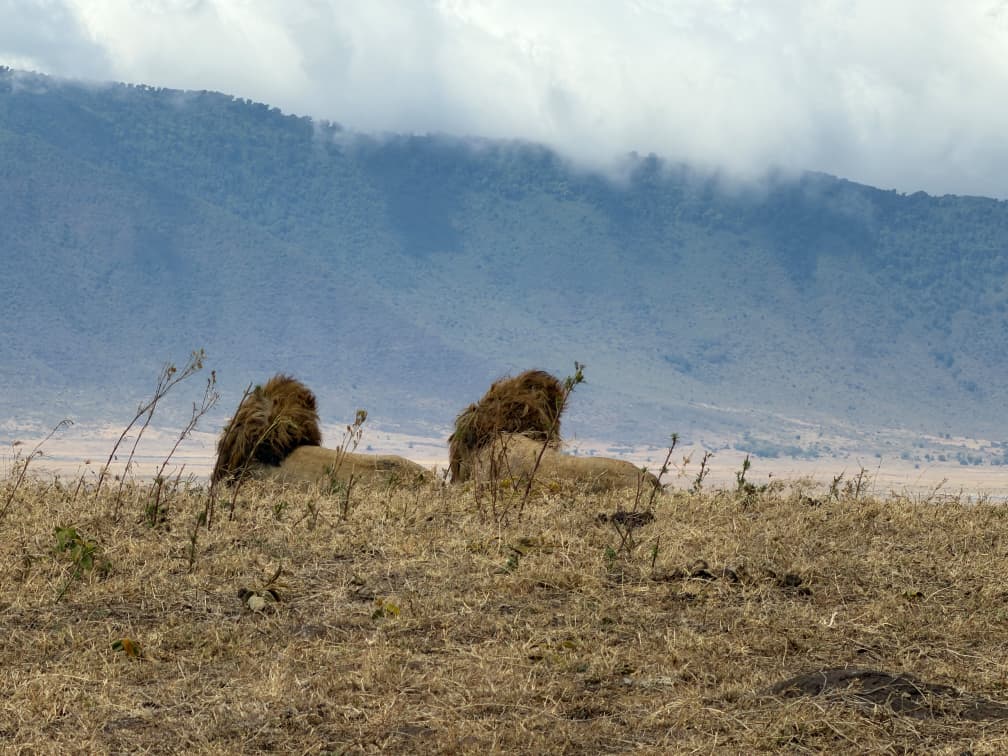
The Ngorongoro Crater is a spectacular volcanic caldera with rich wildlife and dramatic scenery. It is a popular destination for travellers hoping to experience excellent wildlife viewing in a remarkable natural setting.

Tarangire National Park

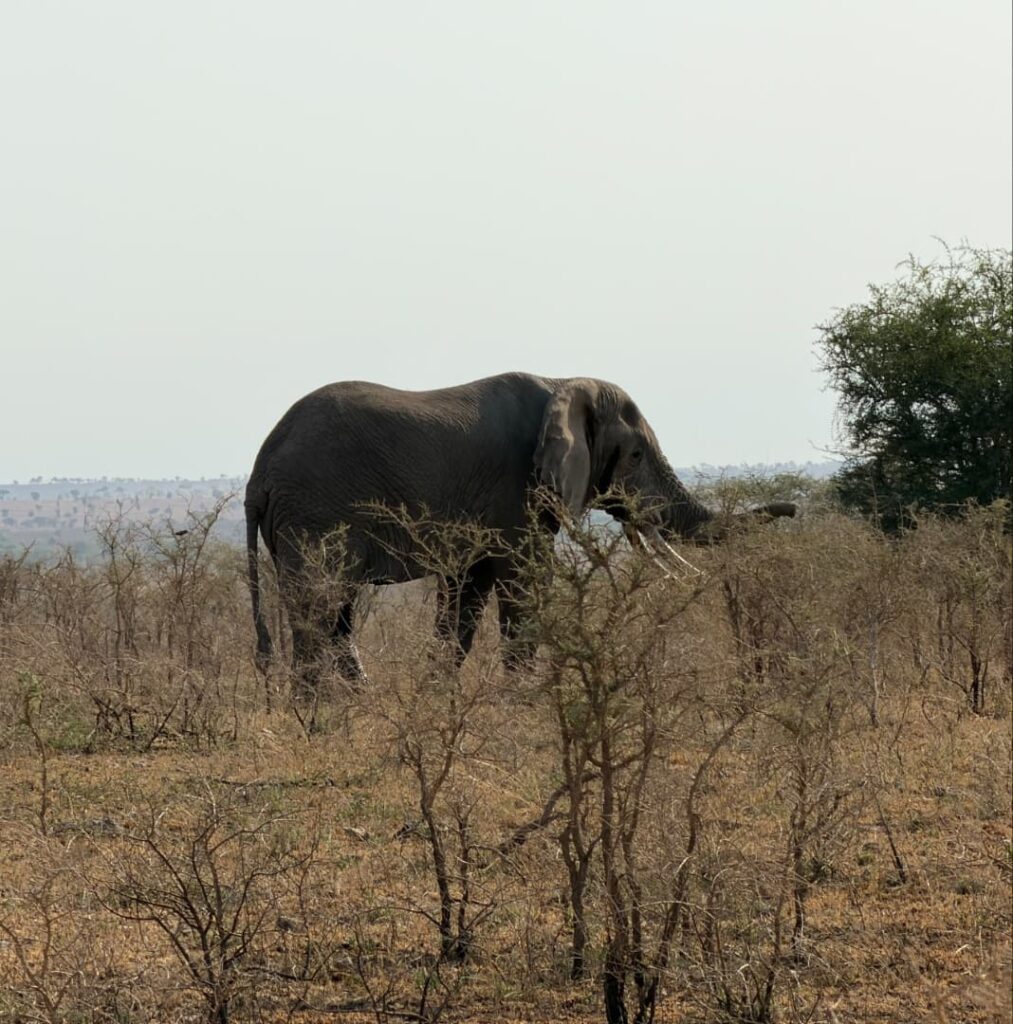
Known for its large elephant populations and iconic baobab trees, Tarangire is an excellent addition to a northern Tanzania safari. Wildlife concentrations vary by season.

Mount Kilimanjaro

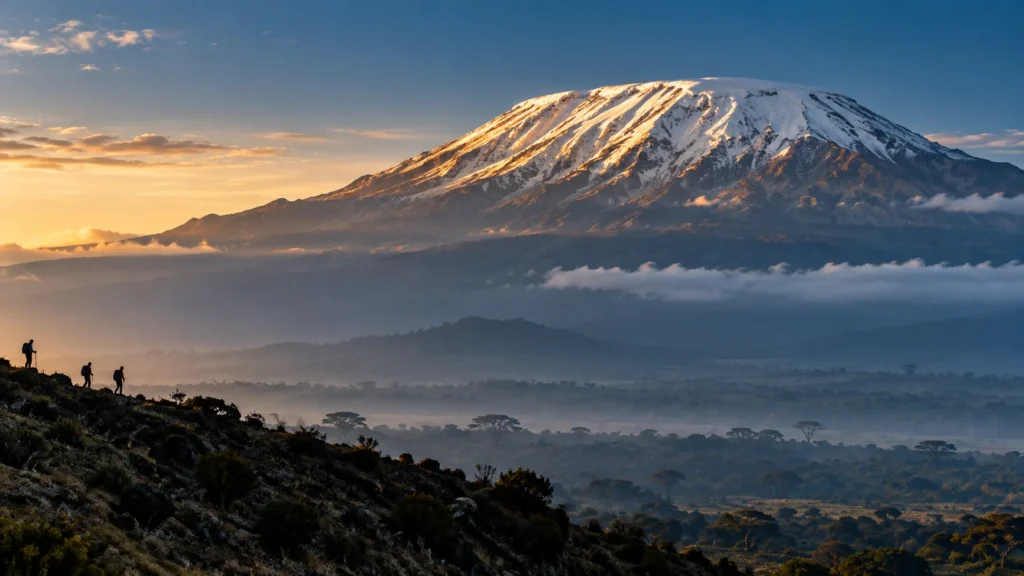
Standing at 5,895 metres, Mount Kilimanjaro is Africa’s highest mountain. Its trekking routes pass through several vegetation zones, offering a challenging and rewarding adventure for properly prepared climbers.

Mount Meru

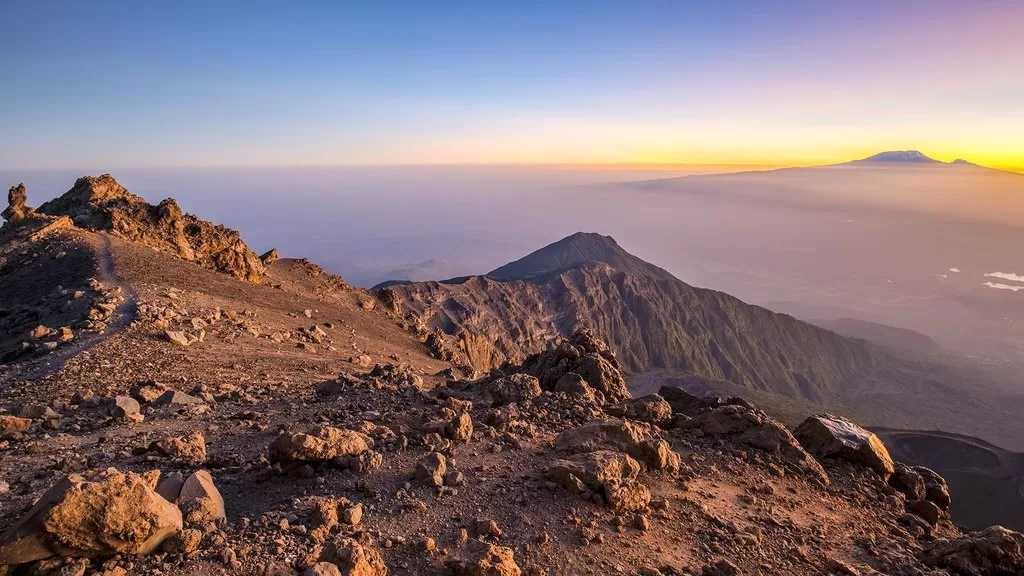
Located within Arusha National Park, Mount Meru offers a scenic trekking experience through forest and high-altitude landscapes. It can be explored as a standalone climb or included in a broader northern Tanzania itinerary.

Zanzibar Island

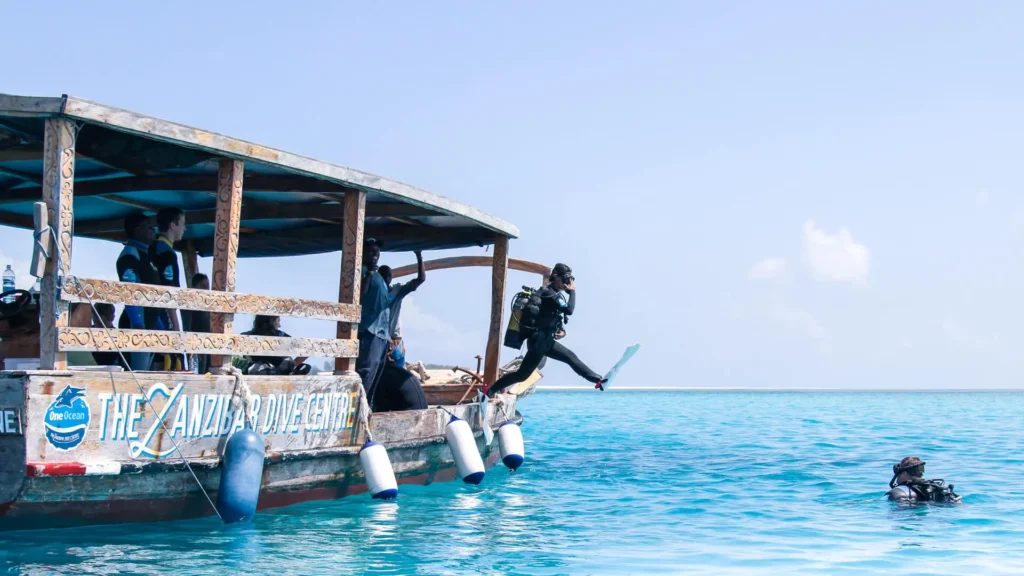
Zanzibar offers white-sand beaches, turquoise waters, historic Stone Town, spice tours, and ocean excursions. It is an excellent destination for a relaxing beach holiday before or after a mainland safari.

Arusha and Its Surroundings

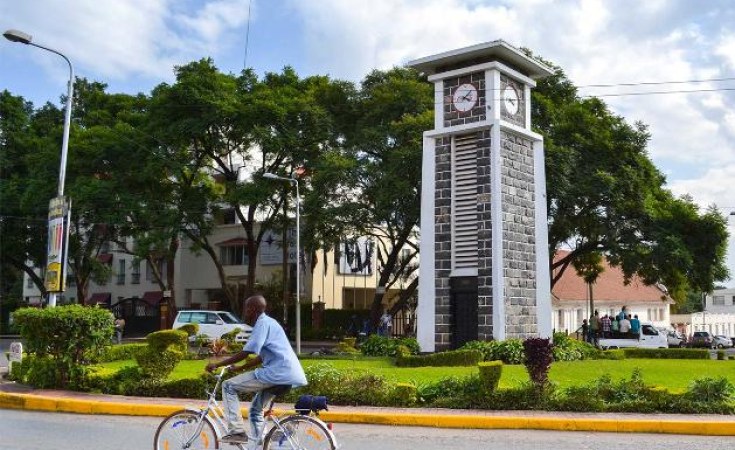
Arusha is a convenient base for northern Tanzania adventures. Visitors can explore local markets, nearby natural attractions, waterfalls, hot springs, cultural experiences, and Arusha National Park.

How Many Days Do You Need in Tanzania?

The ideal trip length depends on how many destinations you want to explore and how much time you want to spend in each place.

3–4 Days: Suitable for a short safari or selected local excursions.

5–7 Days: Allows time for a more extensive safari or a combination of selected destinations.

8–10 Days: Offers more flexibility for several national parks or a longer mountain expedition, depending on the itinerary.

12–15 Days or More: Provides more opportunities to combine a safari, a Kilimanjaro climb, cultural experiences, and a Zanzibar beach holiday.

These are general planning suggestions rather than fixed itineraries. Mountain climbs require a route-specific schedule, and combining distant destinations may require additional travel time.

Tanzania Safari Planning Tips

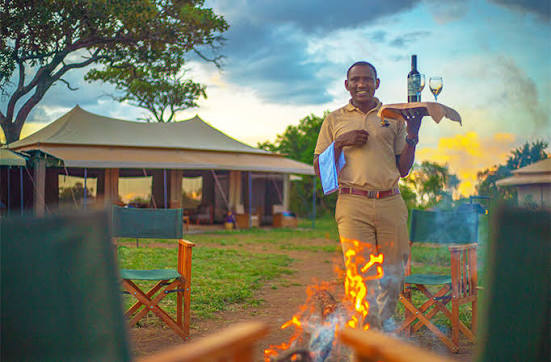
When planning a safari, consider the parks you want to visit, your travel dates, group size, accommodation preferences, and budget. Tanzania offers different safari styles, from camping and budget-friendly arrangements to comfortable lodges and luxury tented camps.

A shorter safari can focus on selected parks, while a longer itinerary may allow you to explore several wildlife areas at a more relaxed pace.

Ask for a detailed itinerary that explains the planned game drives, overnight stays, transport arrangements, meals, park fees, and other inclusions. Wildlife sightings are never guaranteed, but a suitable itinerary can help you make the most of your time.

Preparing for a Kilimanjaro or Meru Climb

Mountain trekking requires more preparation than a standard sightseeing holiday. Choose a route and duration that allow appropriate time for acclimatisation, and prepare with regular walking, hiking, and cardiovascular exercise before travelling.

Pack suitable hiking boots, warm layers, waterproof clothing, gloves, a headlamp, and other equipment specified for your climb. Confirm which items are provided by your operator and which you need to bring or rent.

Altitude-related illness can affect even fit travellers. Follow your mountain guide’s instructions, report symptoms promptly, and ensure your travel insurance covers the activities and altitudes involved.

What to Pack for Tanzania

Your packing list will depend on the season and the activities planned. Useful items include:

  • Lightweight, comfortable clothing
  • A warm layer for cool mornings and evenings
  • Sun protection, including a hat, sunglasses, and sunscreen
  • Comfortable walking shoes
  • Insect repellent
  • Personal medication and basic travel essentials
  • A camera or smartphone
  • A reusable water bottle
  • Swimwear for Zanzibar or suitable swimming excursions
  • Hiking equipment for mountain expeditions


For safaris, neutral-coloured clothing can be practical. For mountain climbs, follow your operator’s detailed equipment list.

Travel Documents, Health, and Safety

Most international visitors travelling to Tanzania for tourism need either a visa or confirmation that their nationality qualifies for visa-free entry. Tanzania’s standard tourist visa fees are US$50 for an ordinary single-entry visa and US$100 for a multiple-entry visa. The visa you need depends on your nationality and travel plans.

  • Ordinary single-entry visa: US$50. Generally valid for visits of up to 90 days.
  • Multiple-entry visa: US$100. Generally valid for one year. This is required for US passport holders visiting for tourism.
  • Transit visa: US$30. Intended for eligible travellers passing through Tanzania, subject to the applicable conditions.

Some nationalities have different fees or require special approval before travelling. Do not assume that the standard US$50 tourist visa applies to every passport.

Passport and Entry Requirements

Before travelling to Tanzania, make sure you have:

  • A passport valid for at least six months.
  • At least one unused visa page in your passport.
  • An approved visa if your nationality requires one.
  • A return or onward ticket.
  • Details of your accommodation and travel arrangements, if requested by immigration officials.


Visitors may also be asked to demonstrate that they have sufficient funds for their stay. A visa does not guarantee entry; final admission is determined by immigration authorities.

How to Apply for a Tanzania Visa

You can apply online through the official Tanzania Immigration eVisa portal:

Official website: https://visa.immigration.go.tz/

Select the appropriate visa category, complete the application, upload the required documents, and pay the applicable fee. Apply well before departure and keep a copy of your visa approval for your journey.

Some travellers may be eligible to obtain a visa on arrival at designated entry points, while certain nationalities require referral approval in advance. If your nationality falls into the referral category, obtain the necessary approval before making non-refundable travel arrangements.

Mandatory Travel Insurance for Foreign Visitors

As of October 2026, Tanzania has introduced mandatory inbound travel insurance for foreign visitors entering mainland Tanzania, with applicable exemptions. The standard premium is US$44 per visitor, with coverage for up to 92 days. Visitors entering through mainland Tanzania should use the National Insurance Corporation’s official portal:

https://inbound.nicinsurance.co.tz/

Visitors whose first point of entry is Zanzibar should obtain the applicable policy through the Zanzibar Insurance Corporation:

https://inbound.visitzanzibar.go.tz/

If your itinerary includes both mainland Tanzania and Zanzibar, a valid policy may cover the same journey without requiring a second purchase, subject to the policy conditions. Keep your insurance certificate or QR code available during your trip.

Yellow Fever Requirements

A yellow fever vaccination certificate is generally required for travellers aged one year and older arriving from a country with yellow fever transmission risk. This can also apply to certain airport transits exceeding 12 hours in a risk country.

If you are travelling directly from a country without yellow fever transmission risk, vaccination is generally not required for entry into Tanzania. Carry your International Certificate of Vaccination if the requirement applies to your journey.

Health and Safety in Tanzania

Health Preparation and Malaria Prevention

Malaria occurs in many parts of Tanzania, particularly in areas below 1,800 metres, so prevention is important for many safari, coastal, and Zanzibar itineraries. Speak with a travel-health professional about suitable antimalarial medication, mosquito repellent, protective clothing, and sleeping under insecticide-treated mosquito nets where appropriate.

Arrange a health consultation ideally at least one month before departure. Ensure routine vaccinations are up to date and discuss relevant travel vaccines, including hepatitis A and typhoid, based on your itinerary and medical history.

Drink sealed, treated, or otherwise safe water, wash your hands regularly, and take care with food hygiene. Seek medical attention promptly if you develop a fever during your trip or after returning home, and tell the healthcare professional that you have travelled to Tanzania.

Travel Insurance and Emergency Preparedness

In addition to any mandatory inbound insurance, consider comprehensive travel insurance that covers medical treatment, trip interruption, baggage loss, and emergency evacuation. If you plan to climb Kilimanjaro or Mount Meru, confirm that your policy specifically covers high-altitude trekking and mountain rescue.

Keep copies of your passport, visa, insurance certificate, flight details, and important contacts in a secure digital location. Carry essential medication in its original packaging and keep it accessible during travel.

Personal Safety and Responsible Travel

Tanzania welcomes visitors to its cities, wildlife areas, mountains, and islands. As in any destination, take sensible precautions: secure valuables, avoid displaying large amounts of cash, use reputable transport providers, and be particularly careful when walking in unfamiliar areas after dark.

During safaris, remain inside the vehicle unless your guide authorises you to leave it, keep a safe distance from wildlife, and follow park regulations. On mountain expeditions, follow your guide’s instructions and report any symptoms of altitude sickness immediately.

When visiting villages or cultural sites, dress respectfully and ask permission before photographing people. Respect wildlife, local communities, and the natural environment throughout your journey.
Getting Around Tanzania

The best way to travel around Tanzania depends on your destinations, schedule, and budget. Safaris commonly use dedicated safari vehicles, while transfers between towns, airports, and hotels may be arranged by private vehicle or other available transport services.

Domestic flights can save time on longer journeys, particularly when connecting mainland safari destinations with Zanzibar. Road journeys can offer scenic views but may take longer than expected, especially during wet weather or on remote routes.

When comparing options, consider journey times, luggage restrictions, pickup arrangements, and whether transfers are included in your package.

Accommodation Options in Tanzania

Tanzania offers accommodation for different travel styles and budgets. Safari travellers can choose from campsites, tented camps, lodges, and luxury properties. Zanzibar has guesthouses, boutique hotels, beach resorts, and higher-end private retreats.

For Kilimanjaro and Mount Meru climbs, overnight accommodation is determined by the route and may involve mountain tents or designated huts.

Compare accommodation based on location, comfort, meals, transport access, and what is included in the quoted price. During popular travel periods, booking in advance can provide more choice.

Respecting Local Culture and the Environment

Tanzania is home to many communities, languages, traditions, and ways of life. Dress respectfully when visiting religious or cultural sites, ask permission before photographing people, and follow your guide’s advice during community visits.

Choose responsible wildlife experiences, avoid disturbing animals, dispose of rubbish properly, and respect protected areas. Supporting local businesses and community-led experiences can also help contribute to the places you visit.

A thoughtful approach helps make your journey more meaningful while respecting Tanzania’s people and natural heritage.

What Travellers Say

Genuine reviews from our guests

See what our guests have to say about their Tanzania safari experiences and discover why Esikar Tour and Safaris is trusted by travelers worldwide.